
On 30th October, Andy is presenting a Masterclass at the Homebuilding and Renovating Show in Harrogate. Here’s an taster of his talk - want to find out more? Come and see him at the Masterclass Theater, 3pm, Friday 30th October, Homebuilding and Renovating Show, Harrogate.
Renovating a period home is one of the most rewarding things a homeowner can do, but it’s also one of the easiest to get wrong. These buildings are full of character, complexity, and hidden stories. They’ve lived through decades (sometimes centuries) of change, repair, adaptation, and improvisation.
And that means the early decisions you make matter enormously.
Our masterclass outlines the five biggest mistakes people make when renovating period homes and how to avoid them before any work on site begins. If you’re planning a project, these insights will help you protect your home’s character, improve comfort, and make confident decisions that save money later.
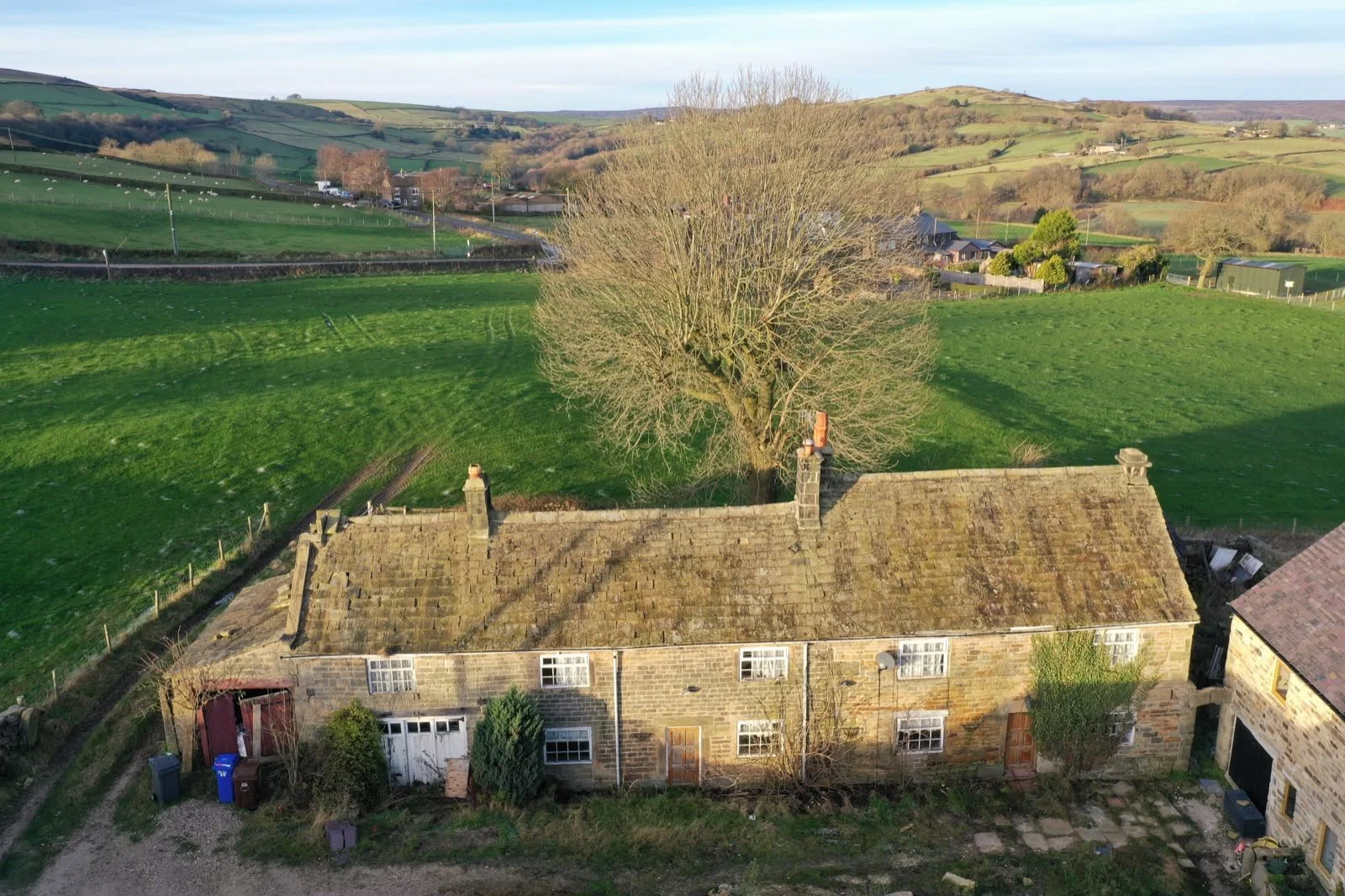
Historic farmhouse on the edge of the Peak District before renovation started.
1. Mistake One: Not Understanding the Building’s Story
Every good decision starts with understanding the past.
Period properties aren’t static objects, they’re palimpsests. Layers of construction, alteration, repair, and adaptation sit on top of one another. When you don’t understand those layers, you make blind decisions that fight the building rather than work with it.
How to avoid this mistake:
Spend time with old maps, photos, deeds, and any historic records you can find.
Identify the different construction phases, what’s original, what’s later, what’s improvised.
Look closely at materials, proportions, scars, and junctions. They tell you how the building has evolved.
Why it matters: Once you understand the story, design becomes clearer, planning becomes easier, and mistakes become avoidable. You’re no longer guessing - you’re responding.
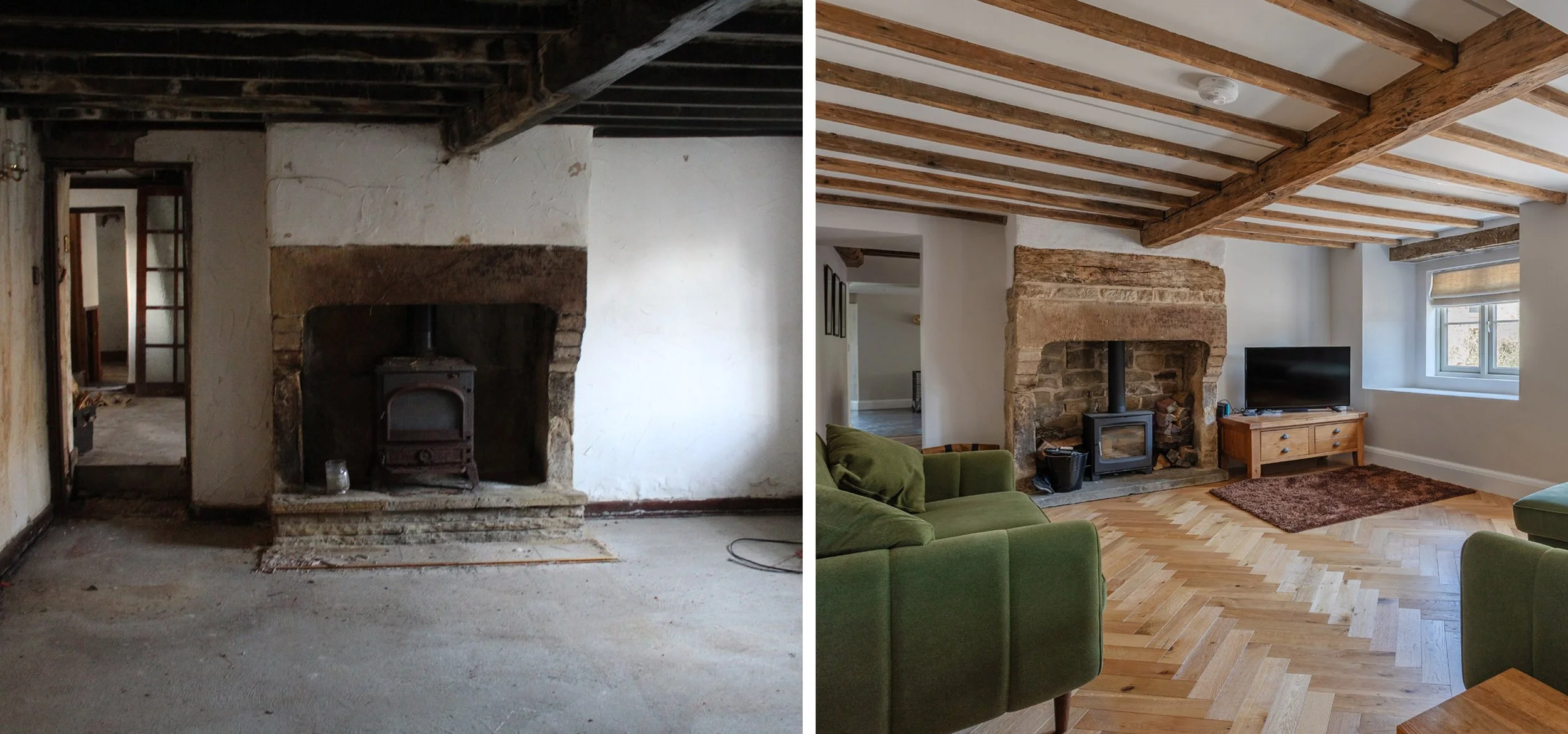
Before and after images of the living space at Green Fold Farm where the existing fireplace and timber ceiling structure was carefully restored
2. Mistake Two: Not Spotting What Truly Matters
You can’t protect character if you don’t know what it is.
Homeowners often preserve the wrong things, or nothing at all. They focus on decorative features and overlook the deeper qualities that give a period home its identity.
“What matters” isn’t just pretty details. It’s:
Rhythm
Proportion
Materials
Craftsmanship
The building’s overall feel
How to avoid this mistake:
Identify the elements that genuinely define the building’s character.
Decide early what must stay, what can change, and what can be improved.
Why it matters: This becomes your design compass. It guides every decision that follows and keeps the project coherent.
See more of the before and after transformation of Green Fold Farm - a Grade II farmhouse here.
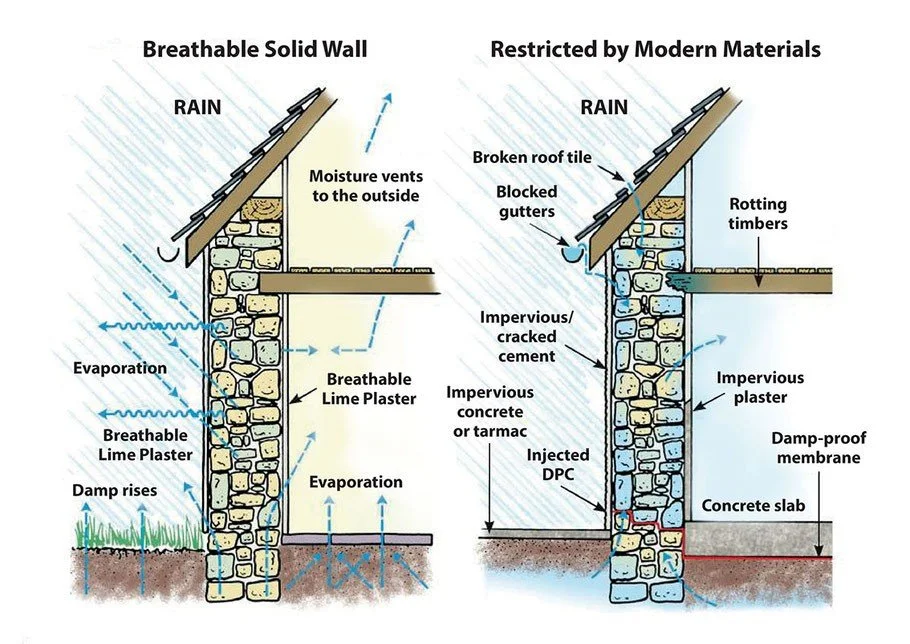
An image demonstrating the damaging impact of non-breathable finishes and moisture on a solid stone wall from How Old Buildings Work | Tywi Centre
3. Mistake Three: Focusing on Appearance Instead of Fabric
Comfort, resilience, and long‑term value come from improving the building’s fabric, not just its appearance.
Many projects chase aesthetics and ignore performance. But moisture, breathability, insulation, ventilation, and thermal upgrades matter far more than finishes.
How to avoid this mistake:
Prioritise moisture management and airtightness.
Use breathable materials where appropriate.
Upgrade insulation intelligently, not aggressively.
Why it matters: A fabric‑first approach prevents damp, drafts, cold spots, and future repair bills. It’s the foundation of a comfortable, resilient home.
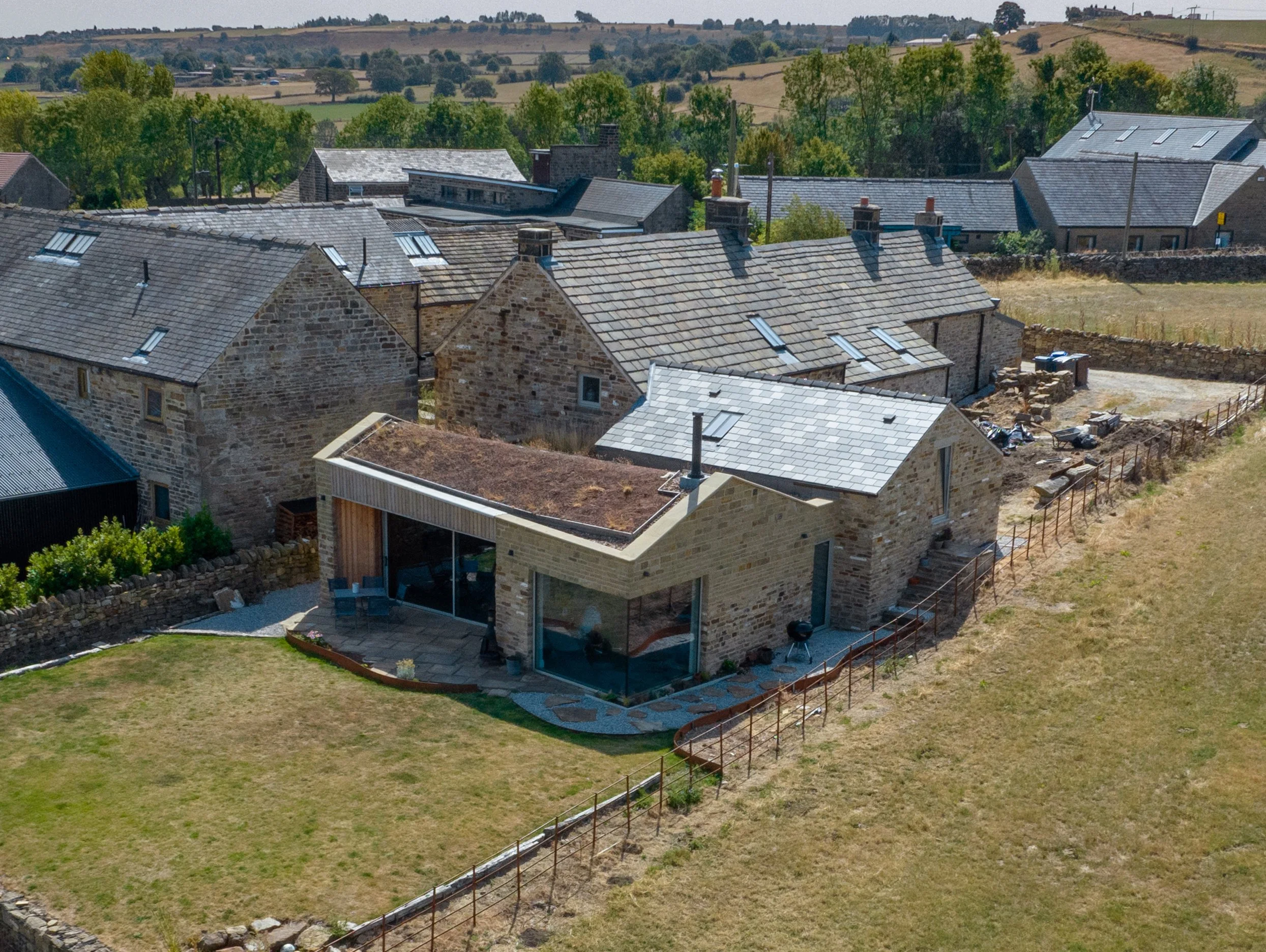
A contemporary extension to a Grade II listed farm house
4. Mistake Four: Imitating Historic Details
Authenticity comes from honesty, not imitation.
Copying historic details, especially poorly, leads to confusion and weakens the original building. Good heritage design is sympathetic, not imitative.
How to avoid this mistake:
Let the old be old.
Let the new be clearly new, but beautifully aligned.
Why it matters: This approach strengthens the building’s identity rather than diluting it. You create a clear, confident dialogue between past and present.
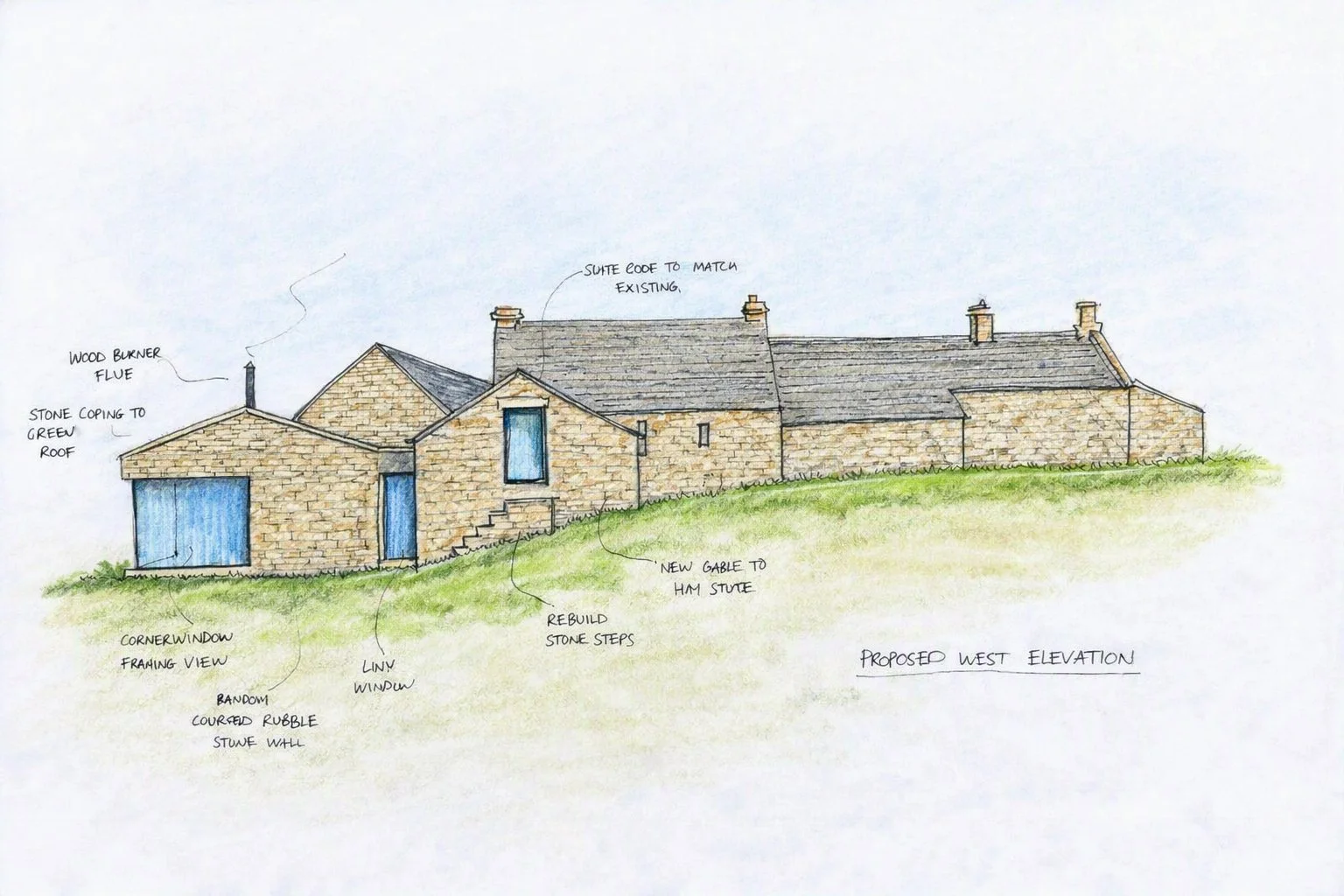
An early sketch design image of the transformation of a historic farm house into a new family home
5. Mistake Five: Not Investing in Good Design Early
The biggest mistake happens before a builder arrives.
Rushing into construction without a clear strategy leads to cost overruns, planning refusals, and compromised results. Homeowners often underestimate how much clarity and value good design brings.
How to avoid this mistake:
Spend time on design, briefing, and feasibility.
Test ideas before committing.
Use design to prevent expensive mistakes later.
Why it matters: Good design is the best value part of the project - because it saves money, stress, and regret.
All five mistakes happen early, often before any physical work begins. Avoiding them sets the entire project up for success: better comfort, better performance, better value, and a home that respects its past while being fit for the future.
Want to find out more? See Andy’s full talk at the Harrogate Homebuilding and Renovating Show, Friday 30th October at 3pm, Masterclass Theatre.
Then pop over to our stand and talk more about your project:
The Northern Homebuilding & Renovating Show
Harrogate Convention Centre
30 October – 1 November 2026
Thread Architects – Stand C355
Claim your 2 free tickets worth £24 here for visiting on any of the show days!
Planning a Renovation of Your Own?
Every period property presents its own opportunities and challenges. Whether you're considering a sensitive extension, improving the energy efficiency of an older home or rethinking the layout of a historic building, getting the design right from the outset can make a significant difference.
At Thread Architects, we help homeowners explore the potential of their properties and develop thoughtful, practical designs that respect the building's character while meeting the needs of modern living.
Thinking about renovating your home? Get in touch with Thread Architects to discuss your project.