
Non-Designated Heritage Assets: Community, Conservation and Creative Reuse
Rachel and Andy recently attended the West Midlands Heritage CPD Day focused on Non-Designated Heritage Assets (NDHAs), where they were pleased to also present insights from experience working with these often overlooked assets.
NDHAs, while not formally protected through designation (such as Grade 1 or Grade 2 listing), play a vital role in local identity and character. As highlighted throughout the day, they encompass a wide range of features - from buildings and structures through to signposts and even views.
The day began with Caroline Kendall from Historic England, who presented ongoing research into Local Listings. She highlighted inconsistencies across Local Planning Authorities and introduced the forthcoming update to Heritage England Advice Note 7 (HEAN7), which aims to provide clear guidance and practical toolkits for Local Planning Authorities to improve how Local Lists are established and maintained, and how the Community can and should be involved in compiling local lists.
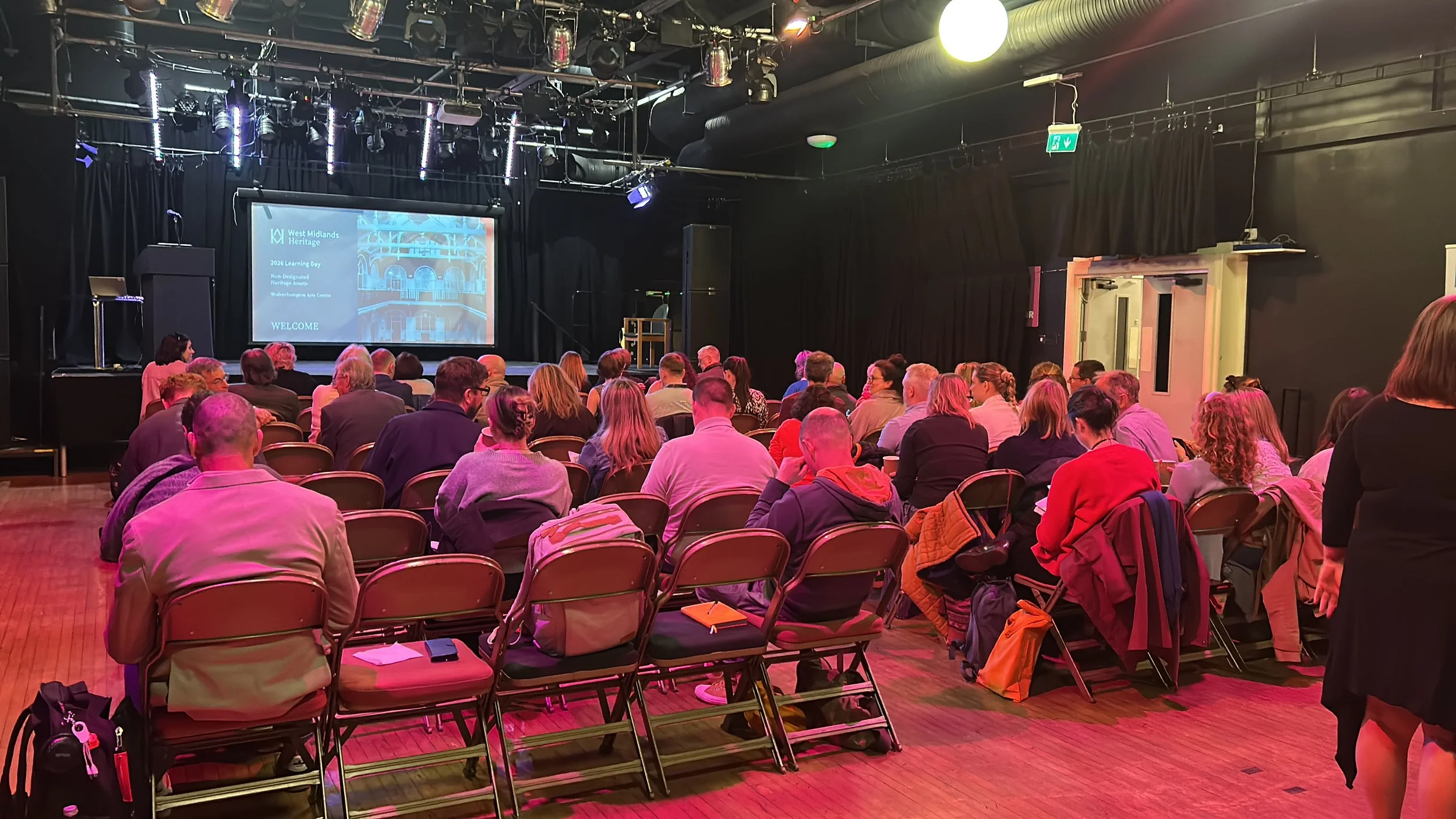
West Midlands Heritage CPD day at the Wolverhampton Arts Centre.
Helen Ensor of Donald Insall Associates discussed the practical challenges associated with NDHAs. These include limitations in existing databases for conservation areas and listed buildings, and the frequent identification of NDHAs too late in the planning process, often after designs have been developed. This reinforces the need for robust, proactive systems to identify NDHAs early, supported by clear criteria and processes to ensure better outcomes for their protection and integration within the community.
The Fox at Loxley was an inspiring case study, a community pub in Warwickshire saved through local action. Paul Jennings described how residents formed a small and enthusiastic action group (deliberately not a large committee!) to mobilise local skills, engage stakeholders, and raise funds. With support from Plunkett UK, the group successfully secured the pub’s future as a community-owned asset.
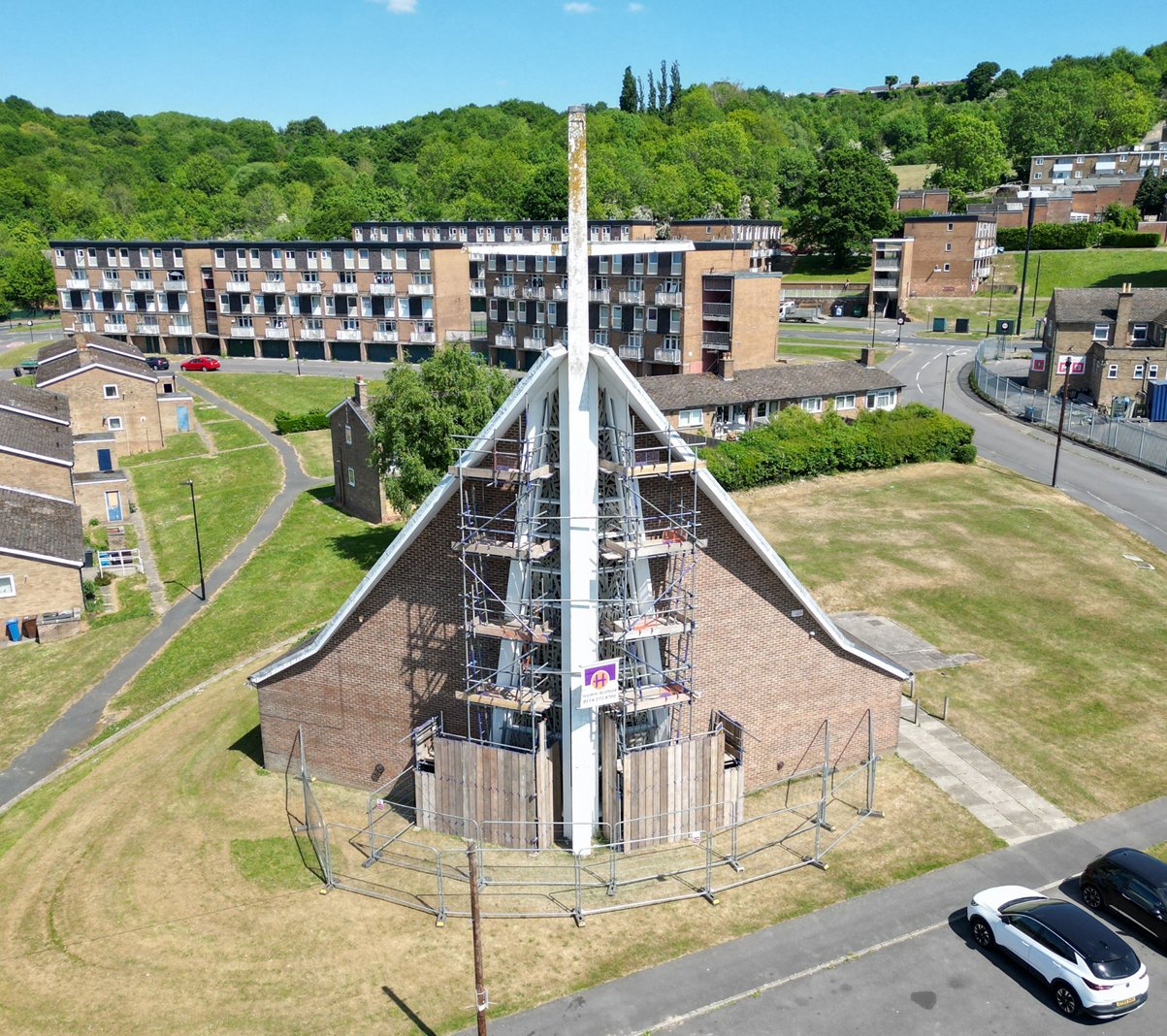
Holy Cross Church - works to restore the iconic concrete framed stained glass windows
Our presentation explored key principles for working with heritage assets, emphasising careful and appropriate treatment of historic fabric. We also highlighted the importance of stewardship, recognising that owners are custodians for future generations. As William Morris wrote in 1876: “These buildings do not belong to us alone… We are only trustees for those who come after.”
We shared examples from our practice, including community-led projects such as the Broomhill Community Library in Sheffield, church adaptations balancing conservation with evolving needs, and the sensitive conversion of historic buildings into private homes. Across these projects, the aim remains consistent: to repair, alter, adapt, and extend historic fabric in ways that respect the past while ensuring long-term viability for the future.
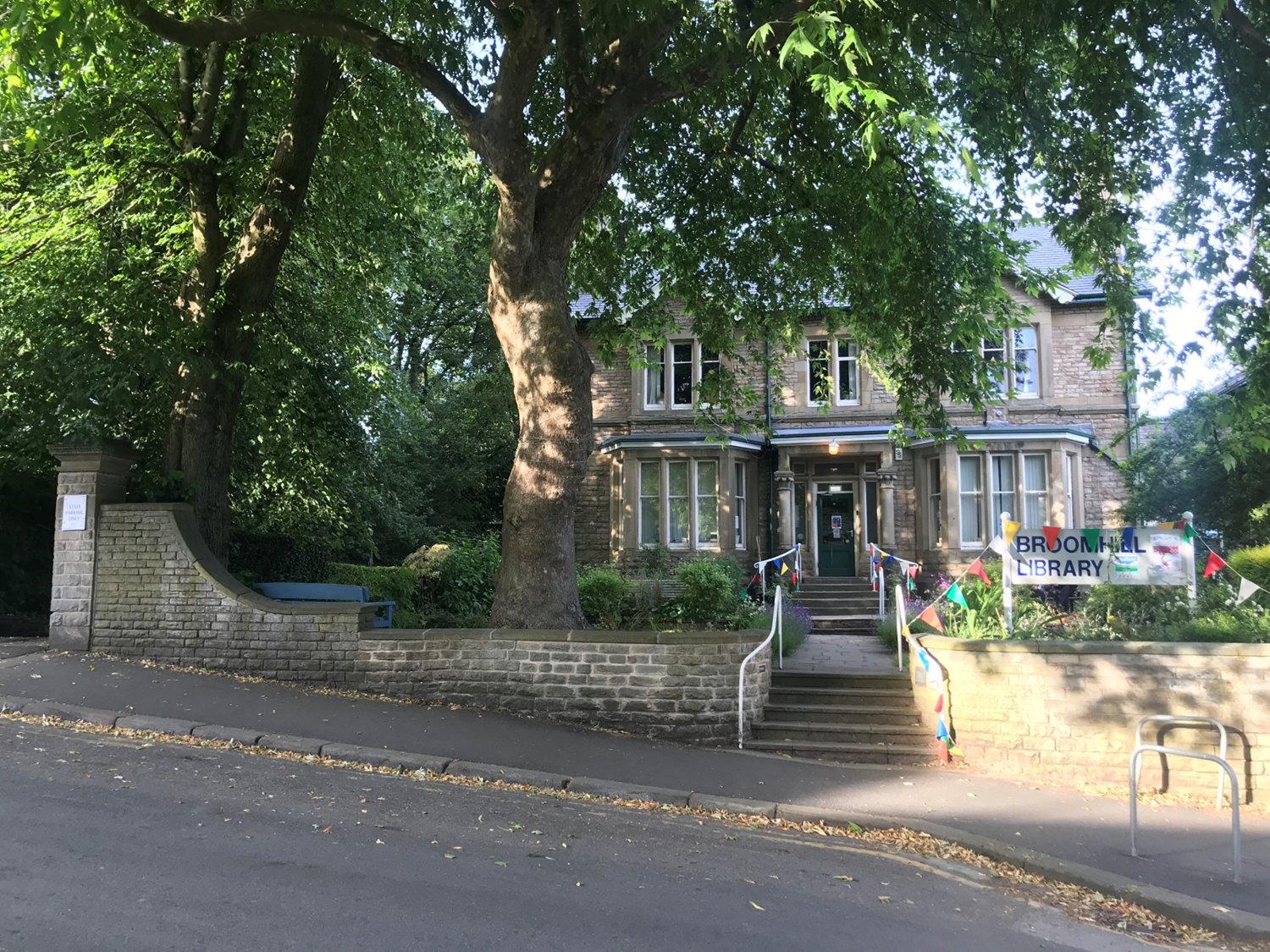
Broomhill Community Library - working with a community group to create a local hub in a heritage asset
In the afternoon, attendees toured Wolverhampton Arts Centre, the CPD day venue and a great example of an NDHA successfully brought back into use. The former school building now supports a range of community functions, including theatre, workshops, and arts spaces. Ongoing challenges, such as the repair or replacement of deteriorating timber sash windows, highlight the complexities of balancing conservation with modern performance requirements. They have some fantastic bands and upcoming events, we hope to visit again soon.
The day concluded with a presentation from the Architectural Heritage Fund. It was encouraging to learn that NDHAs can still qualify for support providing other criteria can outweigh not having a designated listing. This can involve social value, economic value and ensuring that the project works within the AHF design principles. The Fund offers both grants and loans, supporting projects from early viability stages through to delivery. As they mark their 50th anniversary in 2026, a series of exhibitions will showcase the impact of their work nationwide. You can find more details here.
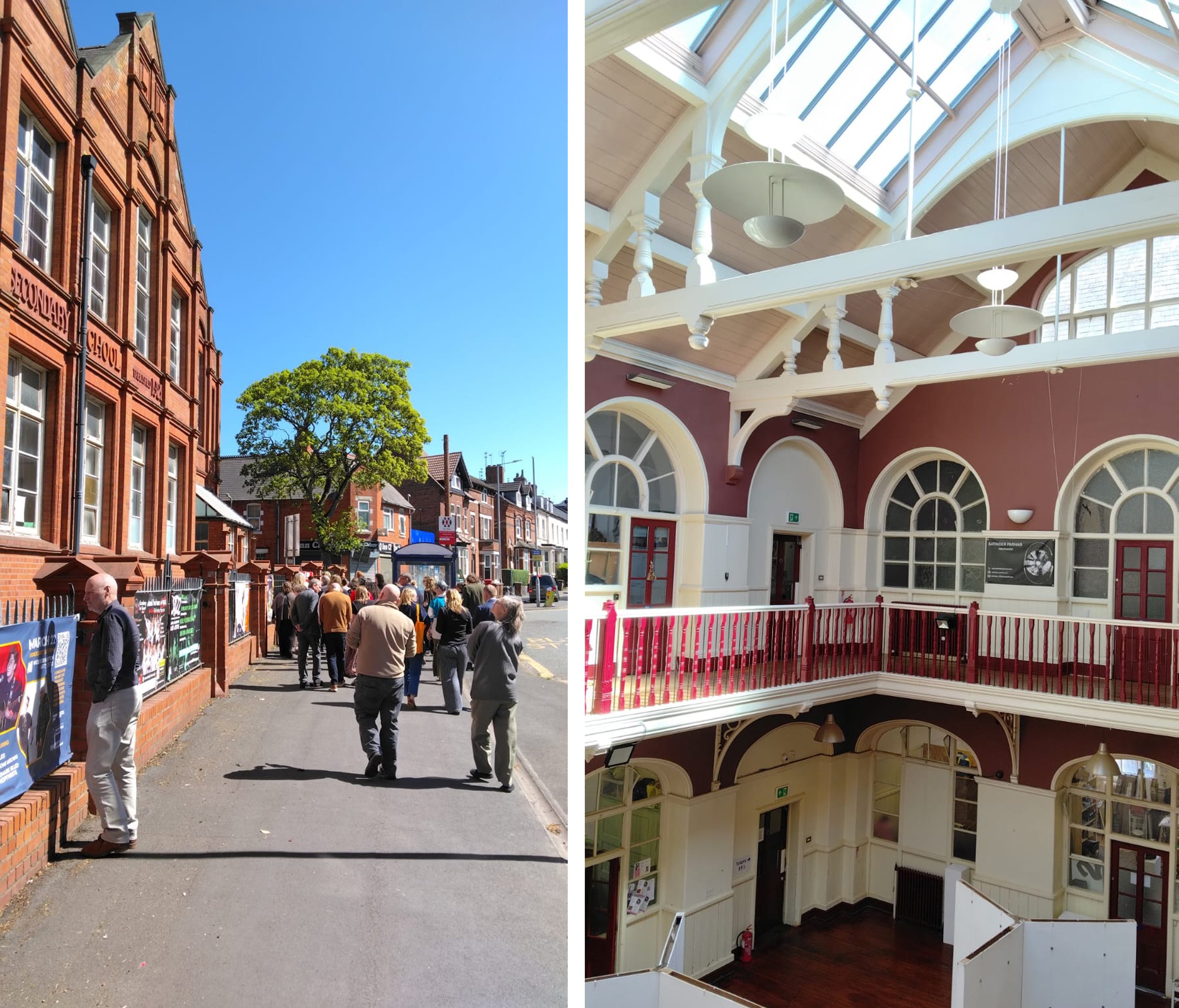
The Wolverhampton Arts Centre - a non-designated heritage asset now brought back into the heart of the community
Our thanks go to West Midlands Heritage for organising such an engaging and informative event, inspiring both professionals and communities to recognise the value, and potential, of Non-Designated Heritage Assets and the unique opportunities that these spaces can offer.
If you are considering taking on a historic structure or heritage asset and would like some advice on upgrading, restoring or creatively reusing the spaces for a new use, feel free to get in touch.