
How Do You Choose the Right Builder for Your Project?
Supporting clients to make the correct decision on procuring their project.
Appointing a builder is one of the most important decisions you will make during your project. The relationship between you and your builder is as important as the relationship between you and your architect. You will work together for many months, and ultimately it is the builder who will translate drawings into crafted, lived space.
Choosing the right builder requires careful thought. There is no single “correct” route. The right approach depends on your priorities, your programme and the complexity of the project.
Below, we outline the three most common routes and how we guide our clients through each.
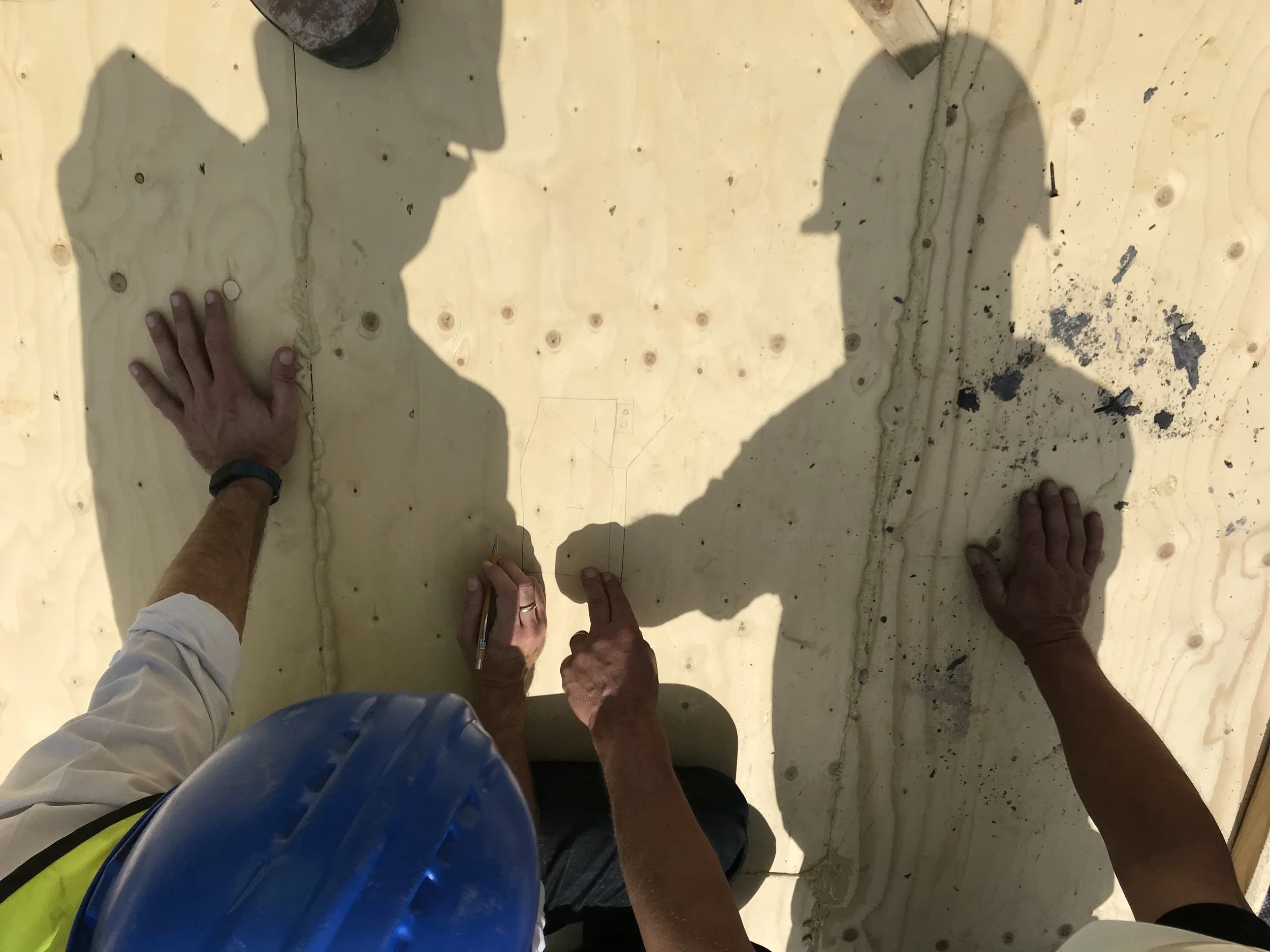
1. Appointing a Builder From the Outset
Some clients come to us having already identified a preferred builder. This may be through recommendation, prior experience, or because the builder specialises in a particular form of construction, such as low-energy or Passivhaus homes.
This can be an excellent starting point.
Early collaboration allows us to:
Engage the builder during concept design
Understand their preferred construction methods (masonry, timber frame, hybrid systems)
Seek early cost guidance directly from the builder
Align the developing design with realistic budget expectations
When architect and builder work together from the beginning, there is often strong continuity between design intent and delivery. It can also foster a more collaborative and transparent process.
However, this route typically involves receiving a single price rather than comparing multiple tenders. Some clients feel less comfortable without competitive prices being obtained. It is also important to recognise that early involvement requires time investment from the builder, and some may request a pre-construction agreement or deposit to cover this work before a formal building contract is signed.
This route is particularly well suited where trust and long-term collaboration are a priority over price comparison.
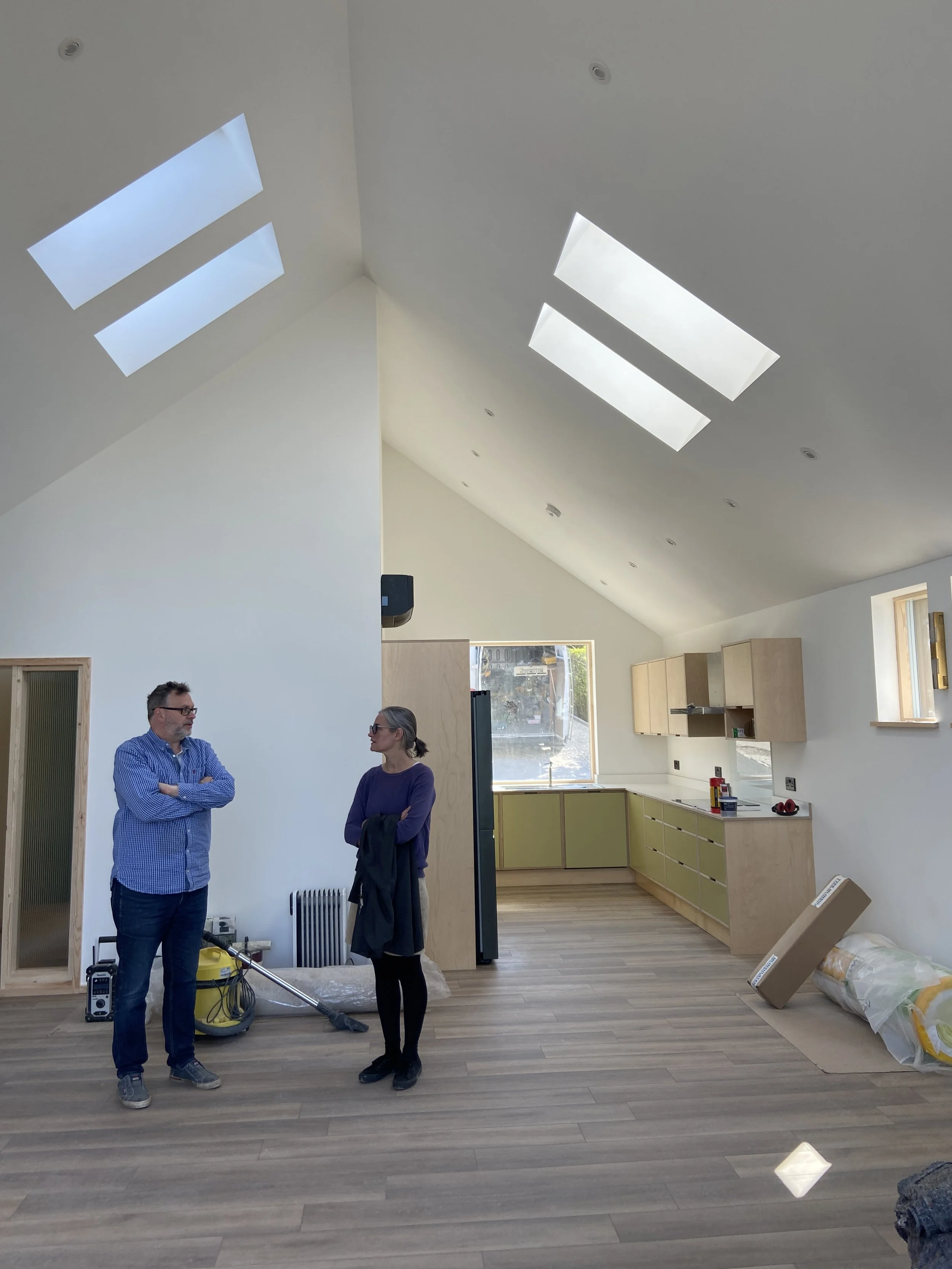
2. The Traditional Competitive Tender
For clients who prefer clear price comparison, a competitive tender process may be more appropriate.
In this route, we develop the design through planning and technical stages before inviting selected builders to price the project based on a consistent, detailed package of information. Typically, three carefully chosen contractors are invited to tender.
To provide clarity and financial confidence, we often recommend appointing a Quantity Surveyor once the design is established. They will:
Prepare early cost estimates
Assess value against your budget
Analyse returned tenders
Ensure pricing is complete and comparable
The advantage of this route is transparency. Each builder prices the same information, making it easier to compare like-for-like. You gain reassurance that the chosen contractor’s price reflects the defined scope of work.
The compromise is timing. You will not know who your builder is until later in the process. While this provides pricing clarity, it removes the benefit of early contractor input during design development.
This route is well suited where you require competitive cost validation.
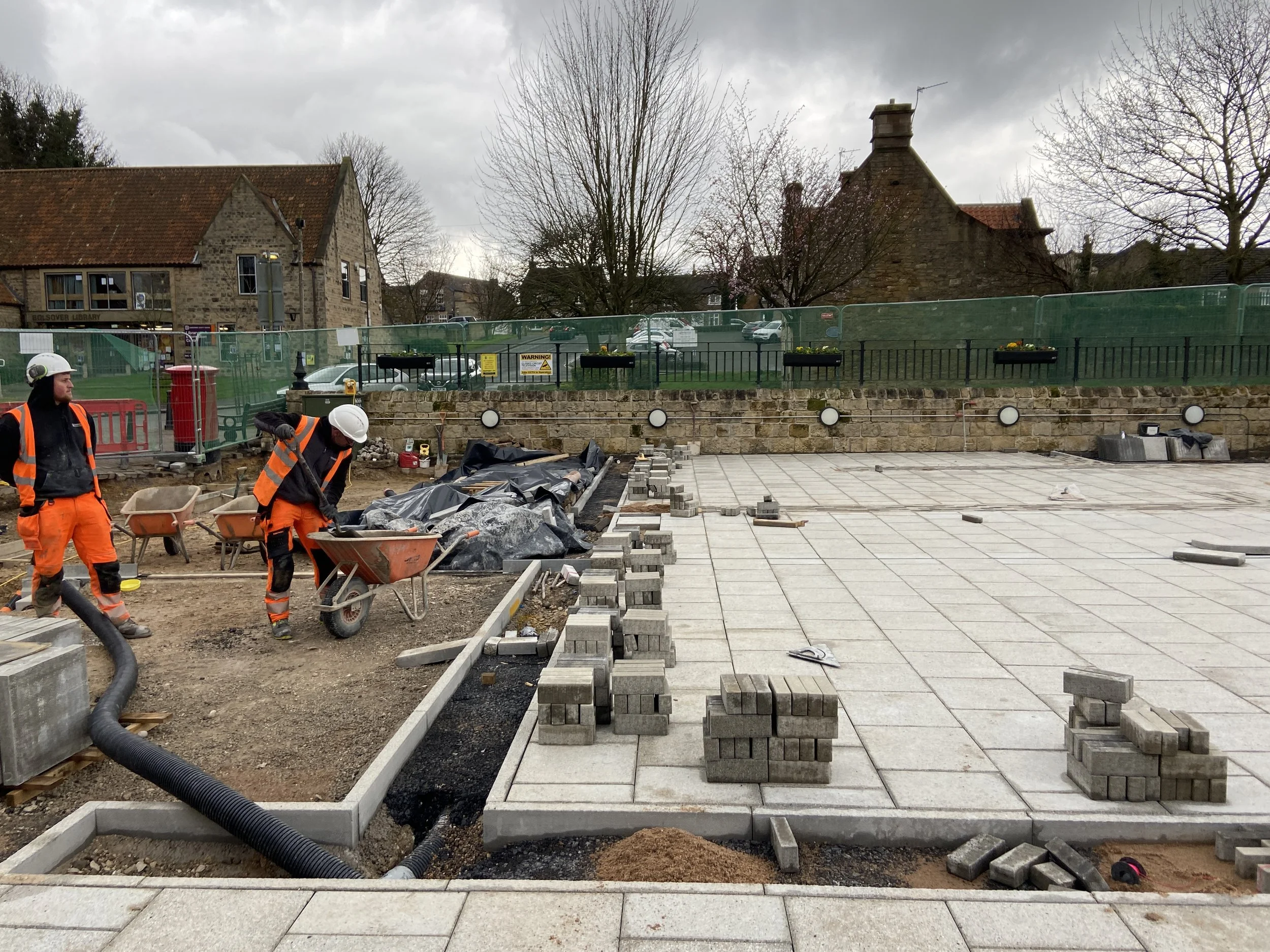
3. A Hybrid, Collaborative Approach
A third option combines elements of both approaches.
We may develop the concept design independently and then approach a small number of suitable builders early for initial cost guidance. From this shortlist, you can select a preferred contractor based on both pricing and alignment with your project ethos.
The selected builder then collaborates with us through the detailed design stage, refining costs as the information develops.
This approach:
Provides early cost input
Maintains competitive awareness
Allows for contractor input before technical design is finalised
It balances commercial confidence with design continuity and can be an ideal route for bespoke projects where a particular specialism emerges as the design progresses.
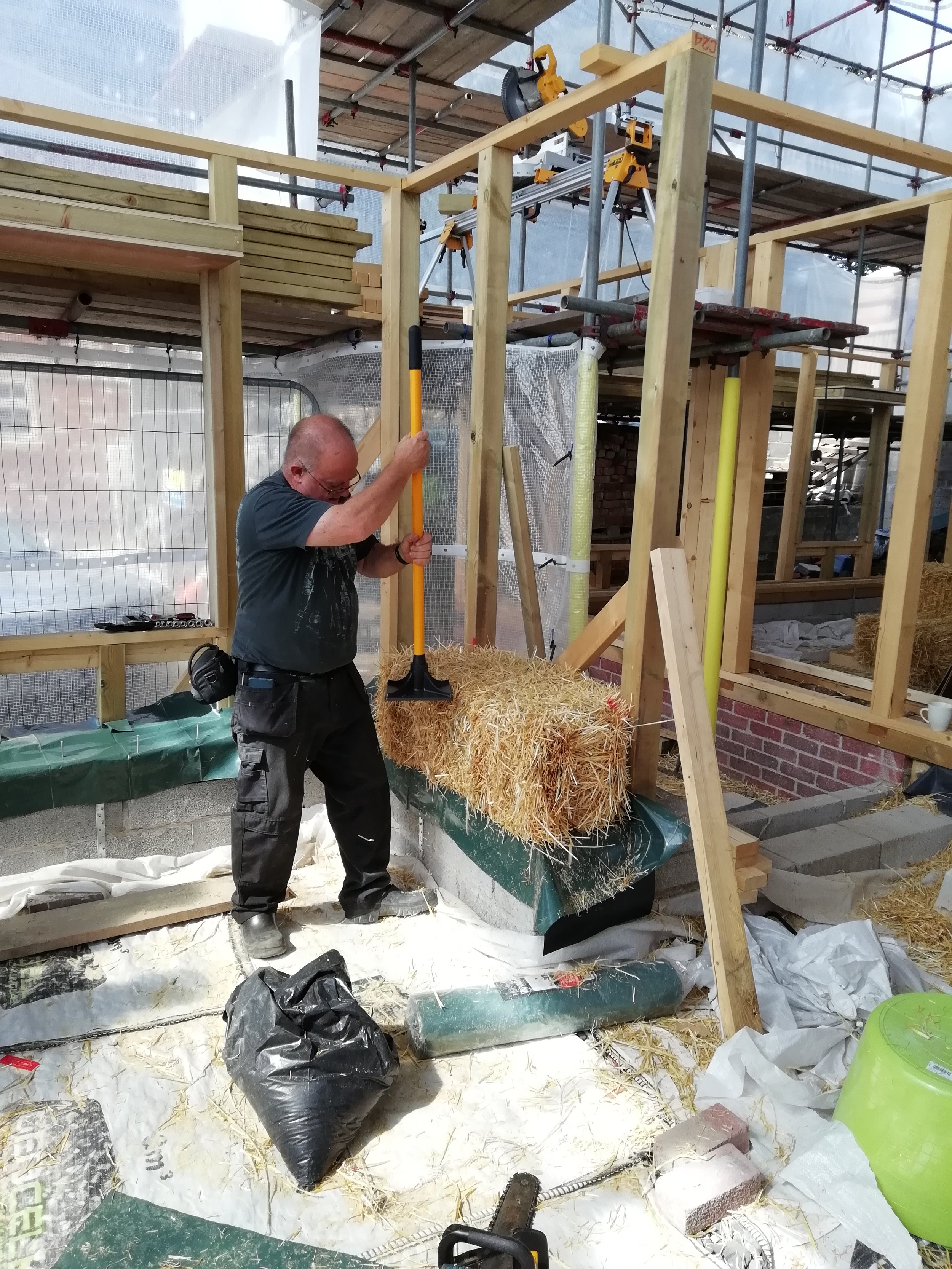
Managing Budget and Expectations
Regardless of the route, cost clarity is essential.
At feasibility stage, we advise on likely cost ranges based on our knowledge of previous projects, current market conditions and project type. As the design develops, more accurate estimates are produced, and where we can we proactively flag design decisions that may influence budget.
It is important to understand that costs can fluctuate between early estimates and final contract sum in any of the above routes, due to design evolution, specification changes or market conditions. A good builder and architect will communicate openly about these changes and guide you through informed decisions.
A Checklist for Selecting the Right Builder
Whichever procurement route you choose, due diligence is key.
1. Define your priorities clearly
Are you working to a fixed timescale? Are you pursuing exceptional sustainability standards? Is craftsmanship your primary concern? Your priorities should shape your builder selection.
2. Review relevant experience
Look for contractors with demonstrable experience in projects of similar scale and complexity. Where possible, visit completed homes and speak with previous clients about their experience.
Ask their previous clients how they felt the build process went:
Did the builders work to agreed timescales and programmes?
Did they keep the site tidy?
How was their communication?
How did they deal with any changes that may have been necessary during the build?
3. Assess quality and professionalism
Consider communication style, site organisation, attention to detail and transparency. A well-run site often reflects a well-run project.
4. Verify credentials
Research the builders on line. Check any online reviews and Companies House information for financial stability. Independent reviews and public records can provide reassurance.
5. Ensure clarity in documentation
Before signing a building contract, confirm that scope, cost breakdown, programme, payment schedule and variation procedures are clearly defined.
The Role of Your Architect
Your architect’s role extends beyond design. We can guide you through procurement, advise on suitable contractors, coordinate tender information and help evaluate returned prices.
Most importantly, we act in your interests, ensuring that the design intent, quality expectations and financial parameters remain aligned from concept to completion.
Choosing the right builder is not simply about cost. It is about trust, collaboration and shared commitment to delivering a home of enduring quality.
You may not want a builder to take on all of the work, you might want to get involved yourself and project manage or even self-build certain elements of the project. This can be an incredibly rewarding, and demanding, procurement route with lots to consider. We'll delve more into the world of self build in an upcoming blog - what it really involves, the opportunities it presents and the realities behind the process, and how an experienced architect can help you along the journey.
If you are considering a building project and would like to discuss the most appropriate procurement route, do get in touch.